
Salmon poisoning disease is one of the few genuinely lethal things a dog can pick up on a Chilliwack riverbank. A dog eats raw or rotting salmon, seems fine for about a week, then becomes very unwell very quickly. Left alone it kills most affected dogs. Caught early, the great majority recover fully.
Why this is a Chilliwack problem specifically
The fall runs bring salmon up the Fraser and the Vedder in numbers, and they bring carcasses with them. Spawned-out fish wash up on gravel bars, collect in side channels, and lie along the banks for weeks. Some are fresh, most are not, and to a dog they all smell interesting.
This is a Pacific Northwest disease. It occurs where a particular fluke, a snail and salmon overlap, which is essentially the coastal drainages from northern California up through British Columbia. A vet elsewhere in Canada may go a whole career without seeing a case. Here it arrives every autumn.
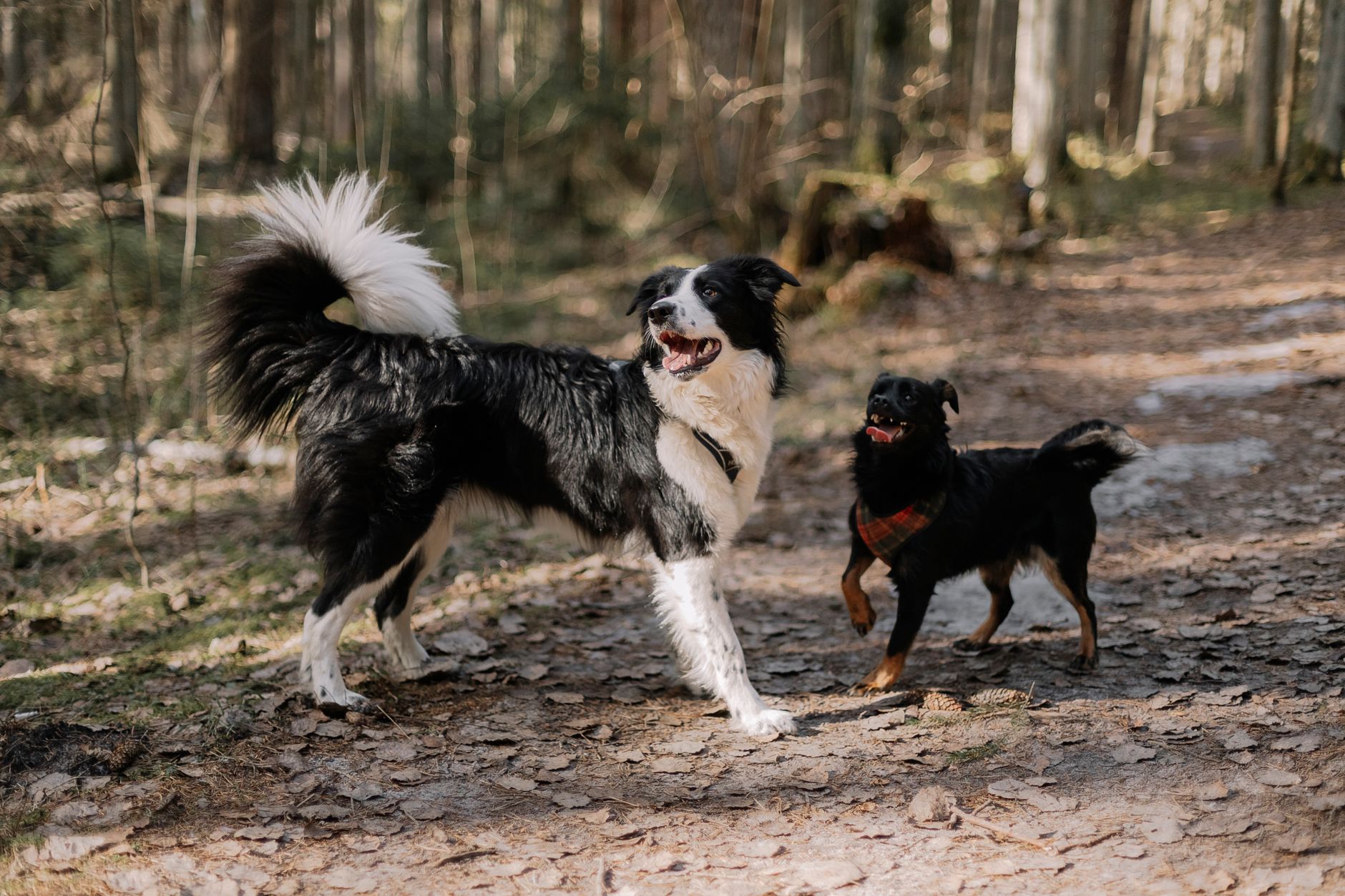
The dogs at risk are the ordinary ones. A dog off leash on the gravel bars, a dog that swims and grabs something, a dog on a riverside walk that finds a carcass in the brush while you are looking the other way.
How it actually works
The salmon itself is not poisonous, despite the name. The chain is longer than that.
A fluke living in the fish carries a bacterial organism. When a dog eats raw or undercooked salmon, trout or steelhead containing that fluke, the fluke attaches in the intestine and releases the organism, which spreads through the lymph nodes and the body.
Two things follow from that. First, cooking destroys it completely, and so does proper freezing. Second, it affects dogs specifically. Cats, people and most other animals are not susceptible in the same way, which is why this is a dog-walking problem rather than a household one.
The delay is what kills dogs
This is the part every Chilliwack dog owner should know.
Signs usually appear five to seven days after eating the fish, sometimes up to ten. By then most owners have completely forgotten the riverbank walk, and many never saw the dog eat anything at all.
When it starts, it moves fast:
- A high fever, often the first sign, with a dog that is suddenly dull and off its food
- Severe vomiting
- Diarrhea, frequently bloody, within a day or two
- Rapid, dramatic weight loss and dehydration
- Swollen lymph nodes, which you may feel under the jaw or behind the knees
- Marked lethargy and weakness
- Discharge from the eyes or nose
Without care, most affected dogs die within about two weeks of signs starting. With early care, the great majority recover. That gap is entirely about how quickly the dog is seen and whether anyone connects it to a river walk a week earlier.
The single most useful thing you can do
Tell us about the river.
If your dog is unwell and has been anywhere near the Vedder, the Fraser or any salmon-bearing water in the previous fortnight, say so, even if you never saw it eat anything and even if the walk seems irrelevant. That one sentence changes what we test for and how quickly we act.
The signs on their own look like several other things. The history is what points us straight at it, and there is a specific test that can confirm it, but only if someone thinks to look.
Our urgent care team would far rather hear “he was on the river last weekend” than work it out on day three.
What happens at the clinic
A dog with a high fever, vomiting and swollen lymph nodes after river exposure is handled as urgent. Our medical services team will examine, check the temperature and lymph nodes, and run diagnostics that can identify fluke eggs and assess how dehydrated and how affected the dog is.
Most affected dogs need hospitalisation with fluid support, because the fluid losses from the vomiting and diarrhea are severe. This is not a condition that gets managed at home.
Dogs that arrive early generally do very well. It is the ones that arrive on day four of signs, having been watched at home, that struggle.
Prevention, which is entirely about access
- Keep dogs on leash on the gravel bars and riverbanks through the runs. This is the whole prevention strategy in one line
- Scan ahead for carcasses, and turn around rather than walking through a stretch that has them
- Never let a dog scavenge along the waterline, including the brush above it where fish get carried
- Watch dogs that swim, since fish get grabbed in the water as well as on land
- Never feed raw salmon, trout or steelhead, including trimmings, heads or guts from your own catch. This is a genuine and avoidable route
- Cook it thoroughly or freeze it properly if you want to give fish at all. Both destroy the organism
- Dispose of fish waste securely where dogs cannot reach it, including your neighbours’ dogs
- Consider a basket muzzle for a committed scavenger during the runs. It lets a dog walk and pant freely and simply stops it swallowing things
Riverbank walks in the fall carry more than one risk, and our guide to porcupine and wildlife encounters covers the other one that turns up on the same walks at the same time of year.
Frequently asked questions
My dog ate part of a dead salmon a few days ago and seems completely fine. Should I do anything?
Phone us and tell us the date. Seeming fine is expected in the first several days, because signs typically take five to seven. Knowing the exposure date means we can tell you exactly what to watch for and when, and it means the connection is already on record if your dog does become unwell.
How much does a dog have to eat?
Not much. A mouthful of an infected fish can be enough. Do not use the amount as a reason not to call.
Is cooked salmon safe?
Thoroughly cooked salmon is safe from this, since cooking destroys the organism. Plain cooked fish with no bones and no seasoning is fine for most dogs in small amounts. It is raw and rotting fish that carries the risk.
What about smoked salmon?
Cold-smoked salmon is not cooked and should be considered raw. It is also very salty, which is a separate problem. Do not give it to dogs.
Can my cat get it?
Cats are not susceptible in the same way and salmon poisoning disease is essentially a dog problem. Raw fish is still not a good idea for cats for other reasons, but this specific disease is not one of them.
Can people catch it from a dog?
No. It does not pass from dog to person, and people are not affected by the organism the way dogs are. Normal hygiene around a vomiting dog is sensible regardless.
Speak to the team at Family Pet Hospital
If your dog has been on the river and is unwell, phone us on (604) 824-0005 and tell us about the walk, even if it was a week ago.
Published by the team at Family Pet Hospital.
This article is for general educational purposes only and is not a substitute for an in-person veterinary examination or advice about your individual pet. If you have an urgent concern about your pet, contact Family Pet Hospital or your nearest emergency veterinary hospital right away.
Family Pet Hospital
7319 Vedder Rd Unit 3, Chilliwack, BC V2R 4E4
Phone: (604) 824-0005
Email: info@familypethospital.info
Hours: Monday to Friday 8:00 AM to 9:00 PM; Saturday and Sunday 9:00 AM to 6:00 PM