Dental Care for Dogs and Cats in Chilliwack
Dental care for dogs and cats in Chilliwack is the most overlooked piece of pet health, and the most fixable. By age three, most dogs and cats already show some dental disease, yet the signs hide below the gumline where owners cannot see them. Bad breath, yellow tartar, and reluctance to chew are late signals, not early ones. Regular oral care changes that story.
Dental Cleanings for Dogs and Cats in Chilliwack
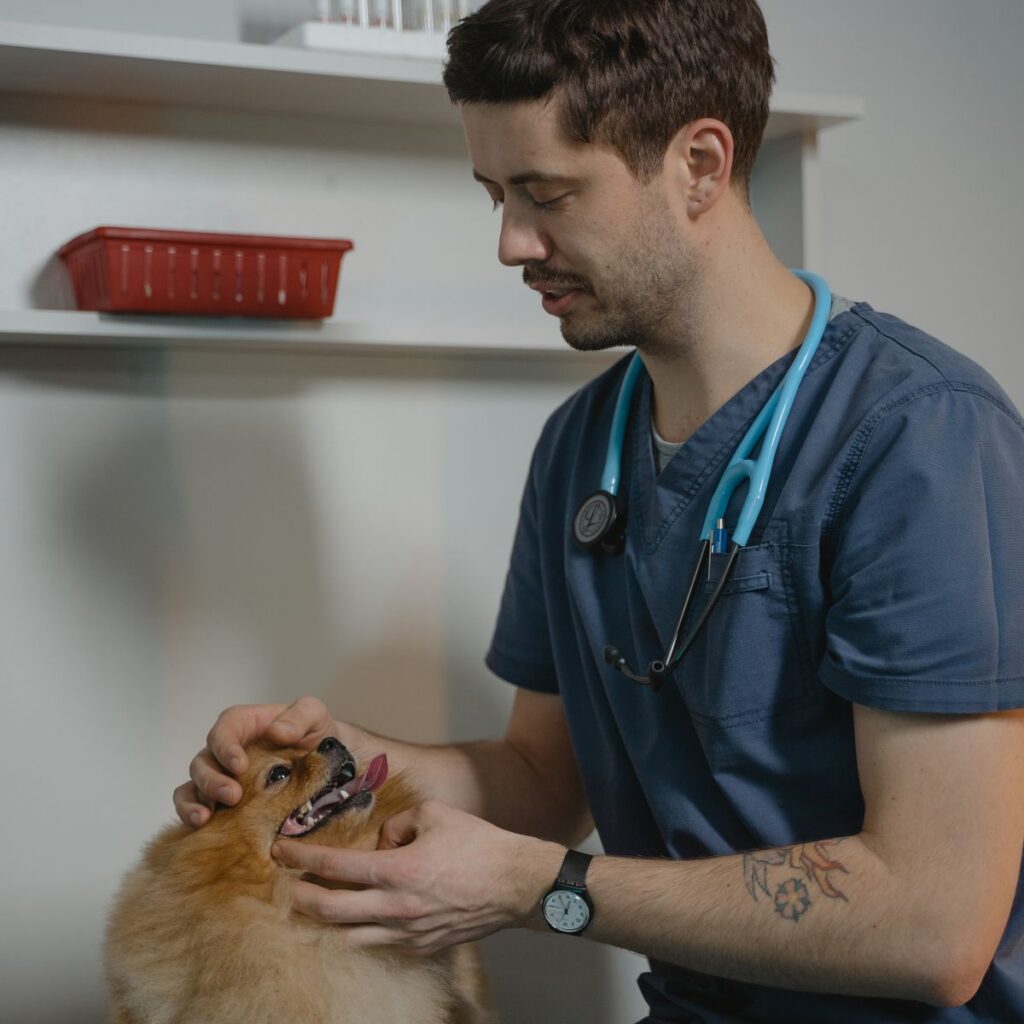
A professional dental cleaning removes tartar and plaque above and, more importantly, below the gumline, where periodontal disease actually starts. Under anaesthesia, every tooth is scaled, polished, and probed, and the whole mouth is charted so changes can be tracked year over year. Anaesthesia is what makes a real cleaning possible: an awake pet cannot hold still for work beneath the gums, which is why cosmetic-only scaling misses the disease that matters.
Digital Dental X-Rays
Up to more than half of every tooth sits below the gumline where no visual exam can reach. Digital dental radiographs show root health, bone loss, abscesses, and resorptive lesions that would otherwise go unnoticed until they hurt. Imaging before and during a procedure means nothing painful gets left behind.
Tooth Extractions and Oral Surgery
When a tooth is fractured, loose, or diseased beyond saving, extraction relieves pain that pets are remarkably good at hiding. Extractions are done with local pain control, careful technique, and X-ray confirmation, and most pets eat comfortably again within days. Owners are often surprised how much brighter their pet acts once a sore mouth is fixed.
Signs Worth a Dental Visit
Bad breath that clears a room, drooling, dropping food, chewing on one side, pawing at the mouth, or a new reluctance to be touched around the face all warrant a veterinary visit. Cats especially hide oral pain well, and eating less is sometimes the only clue. Dogs that suddenly lose interest in chew toys, or flinch when yawning, are telling the same story in their own way. None of these signs improve on their own, and the earlier the mouth is examined, the simpler the fix tends to be.
Oral Health Assessments and Prevention
Every wellness exam at our clinic includes a look at the teeth and gums, and a dedicated oral health assessment goes deeper: charting, staging any gingivitis or periodontal changes, and setting a realistic home-care plan. Daily brushing is the gold standard, but we will help you find the routine your pet will actually tolerate, from dental diets to chews that carry real evidence behind them.
Dental Disease in Cats
Cats deserve their own paragraph because their dental problems hide better than anyone's. Tooth resorption, a painful condition where the tooth structure breaks down, affects a large share of adult cats and is often invisible without dental X-rays. A cat that eats more slowly, swallows kibble whole, or grooms less may be managing mouth pain rather than getting old. Regular oral assessments catch these changes while they are still small.
What a Dental Procedure Day Looks Like
Your pet is admitted in the morning, examined, and given pre-anaesthetic bloodwork if not done already. The cleaning, X-rays, and any extractions happen under monitored anaesthesia, and most patients go home the same evening with soft food instructions and pain management. We call the next day to check how the night went, and evening hours make the recheck easy to schedule.
Explore More
All veterinary services in Chilliwack
Preventive care and wellness exams
Pet health resources
Frequently Asked Questions
How much does a dog dental cleaning involve?
A full cleaning includes anaesthesia, scaling above and below the gumline, polishing, dental X-rays, and a tooth-by-tooth exam. Your veterinarian will provide an individual estimate after an oral assessment, since every mouth is different.
Why does my pet need anaesthesia for a dental cleaning?
The disease that damages teeth lives below the gumline, and no awake pet will tolerate scaling there. Anaesthesia makes a thorough, safe, and pain-free cleaning possible, with monitoring throughout.
Is bad breath in dogs and cats normal?
Persistent bad breath usually signals dental disease rather than something pets simply have. It warrants an oral assessment, especially alongside drooling, dropping food, or chewing on one side.
How can I care for my pet's teeth at home?
Daily brushing with pet-safe toothpaste is the most effective habit. Dental diets and evidence-backed chews help when brushing is not realistic. Your veterinarian will build a routine your pet will accept.
Book a dental assessment for your dog or cat and find out what is really happening below the gumline. Reserve online or call (604) 824-0005; evening appointments make procedure planning easy.