Surgical Services for Dogs and Cats in Chilliwack
Hearing that your pet needs surgery raises the same two questions for every family: is it safe, and is it necessary? Surgical services in Chilliwack at our Vedder Road clinic are built around answering both honestly. Every procedure starts with a pre-anaesthetic assessment and a clear conversation about what we recommend, what it involves, and what recovery looks like at home.
Spay and Neuter in Chilliwack
Spaying and neutering are the most common procedures we perform, and familiarity is exactly what you want in a surgical team. Beyond preventing litters, these procedures reduce the risk of certain cancers and infections and can ease some unwanted behaviours. Timing matters and varies by species, breed, and size, so we plan it during your puppy or kitten's first-year visits rather than defaulting to a fixed age.
Soft Tissue Surgery
Soft tissue procedures cover a wide range: growth and mass removal, wound repair, abdominal surgery such as cystotomy for bladder stones, exploratory procedures when imaging finds something that needs a closer look, and eye and ear surgery. Each case is priced and planned individually, with the risks and alternatives explained before you decide anything.
Anaesthesia and Monitoring
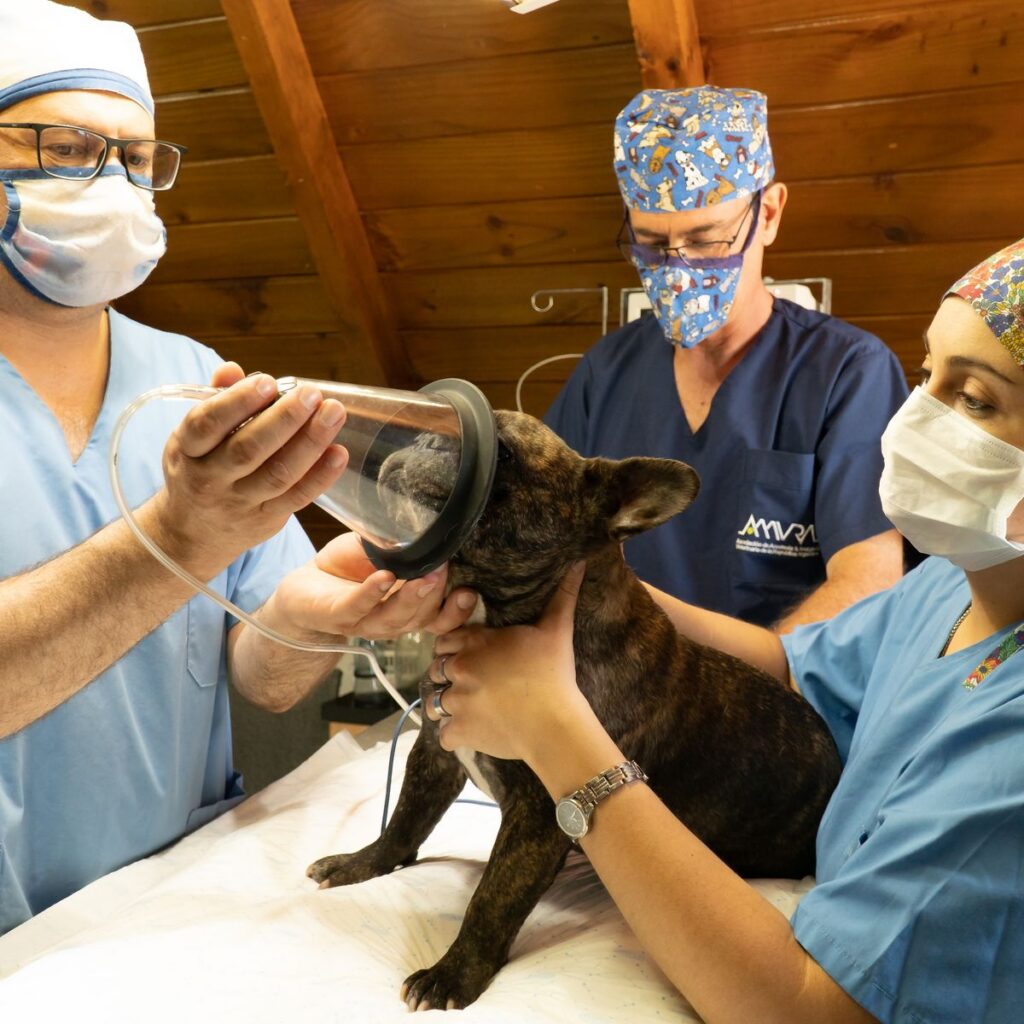
Modern veterinary anaesthesia is carefully individualised. Pre-anaesthetic bloodwork checks organ function before the day of surgery, and dedicated staff monitor heart rate, breathing, oxygen levels, and temperature from induction through recovery. Pain management is planned in advance, not added as an afterthought.
Mass and Tumour Removal
New lumps and bumps are common in ageing pets, and most are benign, but the only way to know is to look. Fine needle aspirates and cytology help us evaluate a mass before surgery, and biopsies confirm what was removed. Early removal is almost always a smaller procedure than waiting.
Orthopaedic Concerns and Referral Surgery
Limping, joint pain, and cruciate injuries need careful evaluation to decide between medical management and surgery. Our doctors assess orthopaedic cases in-clinic and, when a procedure calls for a surgical specialist, coordinate referral with our specialist referral partners and manage your pet’s aftercare close to home.
Questions to Ask Before Any Procedure
Good surgical decisions come from good questions, and we would rather you ask them all. What happens if we wait? What does recovery honestly look like for a dog this age? What is included in the estimate, and what could change it? Is there a non-surgical path worth trying first? Our doctors answer these directly at the consultation, and nothing is booked until you are comfortable with the answers. A family that understands the procedure makes a calmer patient on surgery day, and a calmer recovery afterward.
Recovery and Aftercare at Home
Most surgical patients go home the same day with written instructions, pain management, and a planned recheck. Because we are open evenings and weekends, post-surgical questions do not have to wait: if something about the incision or your pet’s behaviour worries you during our open hours, call and we will tell you whether to come in. Recovery basics are simpler than most owners fear: a quiet space, a cone or recovery suit worn consistently, short leash breaks instead of the usual zoomies, and food reintroduced gently the first evening. The recheck confirms healing is on track and gets the cone off as early as safely possible.
Explore More
Browse all veterinary services
Dental care and extractions
Kitten first-year guide
Frequently Asked Questions
When should I spay or neuter my puppy or kitten?
Timing depends on species, breed, and expected adult size. Many cats are ready around five to six months, while some larger dog breeds benefit from waiting longer. Your veterinarian will recommend timing during first-year visits.
Is anaesthesia safe for my pet?
Anaesthesia is very safe for the vast majority of pets when it is individualised. Pre-anaesthetic exams and bloodwork identify risks in advance, and trained staff monitor vital signs throughout the procedure and recovery.
Should I worry about a new lump on my dog?
Any new or changing lump warrants a veterinary visit. Most are benign, but evaluation with a fine needle aspirate is the reliable way to know, and early removal is a smaller procedure than waiting.
Will my pet stay overnight after surgery?
Most routine procedures are day surgeries: your pet goes home the same evening with written aftercare instructions. Your veterinarian will tell you in advance if a case needs longer observation.
Have a procedure recommendation you want explained, or a lump you want checked? Call (604) 824-0005 and talk it through with our surgical team before you decide anything.