Harvest season in Chilliwack puts three hazards within a dog’s reach: corn cobs, windfall fruit and full compost bins. Corn cobs are a classic cause of intestinal blockage, fallen fruit brings pits, cores and fermentation, and mouldy compost can cause tremors within hours. Keep all three out of reach, and phone us if your dog gets into them.
Why September is scavenging season
Chilliwack corn is one of the best things about late summer, and plenty of it is still on local tables through September. Backyard apple, pear and plum trees are dropping fruit faster than anyone can pick it up. Compost bins are full of peelings, husks and leftovers, and barbecues are still going on warm evenings.
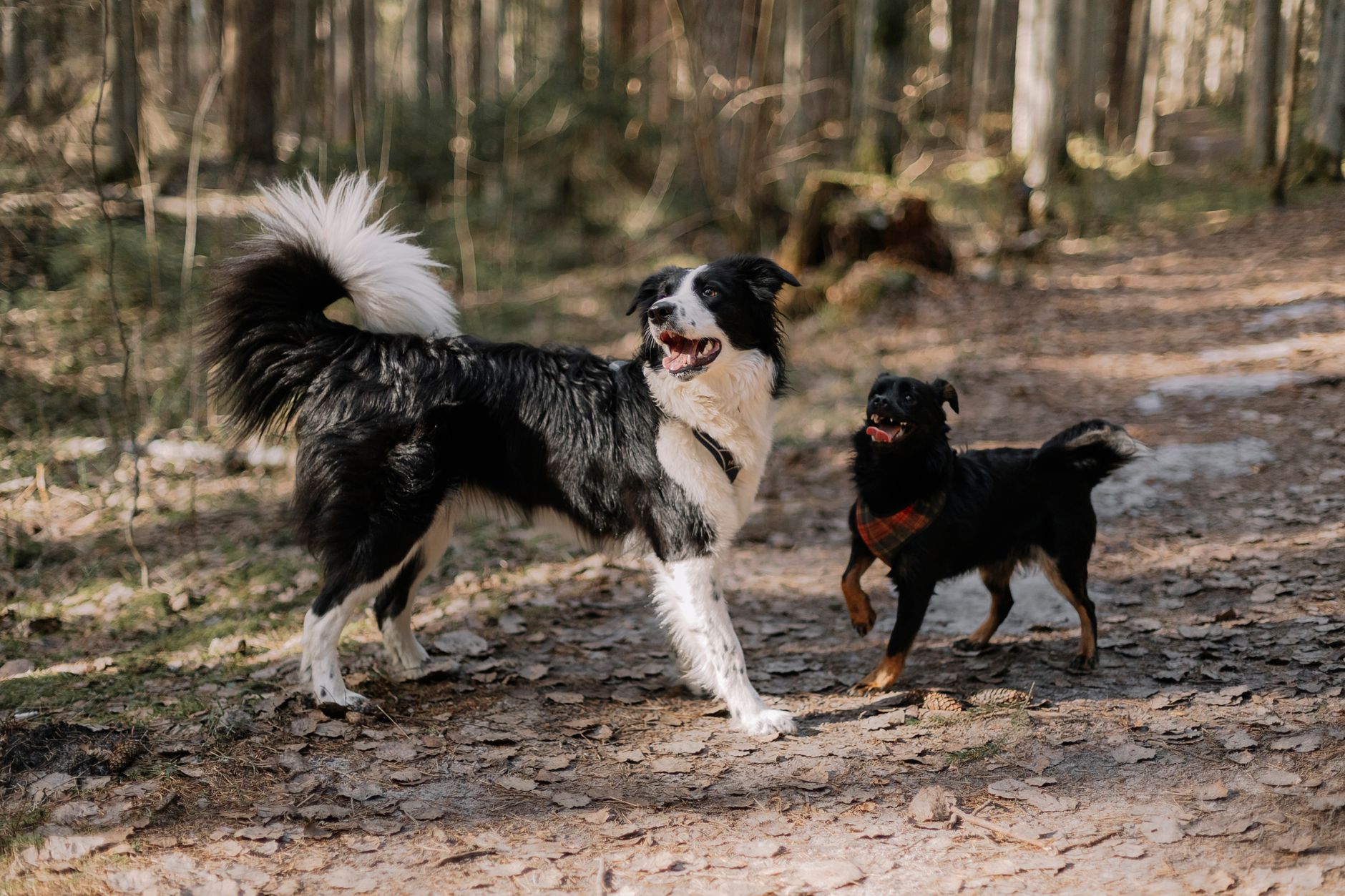
For a dog with a good nose, that adds up to a lot of temptation at ground level. Most of what dogs pick up passes through with nothing worse than an upset stomach. The three below are the exceptions.
Corn cobs: the classic blockage
Dogs love corn cobs. They smell of butter and salt, they are fun to chew, and a dog can swallow a large chunk in seconds. The trouble is that stomach acid barely touches a cob. A piece can pass into the small intestine and lodge there, blocking everything behind it.
Signs of a blockage often take a day or two to appear, sometimes longer, which means a dog can seem fine the evening it steals a cob. Watch for:
- Vomiting, especially repeated vomiting or bringing up water
- Loss of appetite, or refusing favourite food
- Lethargy, restlessness or reluctance to lie down
- A tender or tense belly, or a hunched posture
- Straining with little or no stool, or small amounts of diarrhea
Cobs are not always easy to see on an X-ray, so finding one can take more than a single image, and our pet diagnostics team will choose the right approach for your dog. Many cob blockages need an operation by our surgical services team, and the earlier we find them, the more straightforward that tends to be. Please do not wait for a piece of cob to pass on its own.
Windfall fruit: cores, pits and fermentation
Cores and pits
Apple and pear cores can cause a blockage in a smaller dog, much like a cob. Plum, cherry and peach pits are a bigger concern. They are hard, the right size to lodge in the intestine, and they contain compounds that can release cyanide when chewed and broken. A few apple seeds are unlikely to cause harm, but a dog eating windfall stone fruit day after day is at real risk.
Fermenting fruit
Fruit that has been lying in warm grass for a few days starts to ferment and produce alcohol. A dog that eats a lot of it can become wobbly, sleepy or confused, and may vomit. Small dogs are affected by much smaller amounts, and alcohol can also drop blood sugar.
Mouldy fruit
Rotting fruit grows moulds, and some moulds produce toxins that affect the nervous system. That makes old windfall fruit a close relative of the next hazard.
The compost bin: the fast one
Mouldy food in compost, garbage and forgotten leftovers can contain toxins that act on the nervous system. Signs usually start within half an hour to several hours of eating:
- Trembling, twitching or shaking
- Restlessness, agitation or unusual sensitivity to noise and touch
- Panting and overheating
- Unsteady walking
- Seizures
That is an emergency. Compost raids also bring fatty scraps, which can upset the stomach or inflame the pancreas a day or two later, and cooked bones, which can splinter or cause a blockage.
What to do if your dog gets into any of these
- Take away whatever is left, and keep a sample or a photo.
- Work out roughly how much your dog ate and when.
- Call us right away, even when your dog looks fine. With cobs and pits, early advice makes a real difference.
- Do not induce vomiting at home. A cob or a pit can do more damage coming back up, and the veterinary team needs to decide what is safe.
Tremors, seizures, repeated vomiting or a painful belly need to be seen right away by our urgent care team. We are open until 9:00 PM on weekdays and 6:00 PM on weekends and statutory holidays. Outside those hours, take your dog to the closest open emergency hospital, calling ahead if you can.
Keeping a scavenger out of trouble
- Put corn cobs straight into a lidded garbage can, outside or in the freezer until collection day. Never leave them on plates, in open kitchen bins or in the compost.
- Pick up windfall fruit every day during the season, or fence off fruit trees while they are dropping.
- Use a dog-proof compost bin with a secure lid and a closed base, and keep mouldy food out of reach.
- Watch your dog at barbecues and family meals, and tell guests not to share corn on the cob.
- Practise “leave it” and “drop it” with rewards. A reliable cue is worth more than any fence.
Fallen fruit and open compost draw wildlife into Chilliwack yards as well as dogs, which our guide to porcupine and wildlife encounters for Chilliwack dogs explains.
Frequently asked questions
My dog swallowed a piece of corn cob but seems fine. Can I wait?
Please phone us instead. Signs of a blockage can take a day or more to show, and by then the intestine may already be under strain. We can talk through the size of the piece and your dog’s size, and decide on next steps together.
Is corn itself bad for dogs?
Plain corn kernels, off the cob and without butter or salt, are generally fine in small amounts. The cob is the problem, not the corn.
My dog ate a few apples off the lawn. Should I worry?
A few fresh apples usually cause, at most, a stomach upset. Phone us if the fruit was rotten or fermenting, if your dog ate a lot, if it included stone fruit pits, or if your dog is small.
My dog got into the compost and is trembling. What should I do?
Come in straight away, or go to the nearest open emergency hospital if we are closed. Trembling after eating compost or garbage is an emergency.
Do cats get into these hazards too?
Much less often, since most cats are fussier eaters. Mouldy food is still dangerous to them, so keep compost and garbage secured.
How do I stop my dog eating fallen fruit?
Pick it up daily, fence the trees off during the season, and supervise time in the yard. Training a solid “leave it” helps for the moments you miss.
Speak to the team at Family Pet Hospital
If your dog has eaten a corn cob, fallen fruit or something from the compost, phone us now, or go to the nearest open emergency hospital after hours.
Published by the team at Family Pet Hospital.
This article is for general educational purposes only and is not a substitute for an in-person veterinary examination or advice about your individual pet. If you have an urgent concern about your pet, contact Family Pet Hospital or your nearest emergency veterinary hospital right away.
Family Pet Hospital
Unit 3, 7319 Vedder Road, Chilliwack, BC V2R 4E4
Phone: (604) 824-0005
Email: info@familypethospital.info
Hours: Monday to Friday 8:00 AM to 9:00 PM; Saturday, Sunday and statutory holidays 9:00 AM to 6:00 PM