

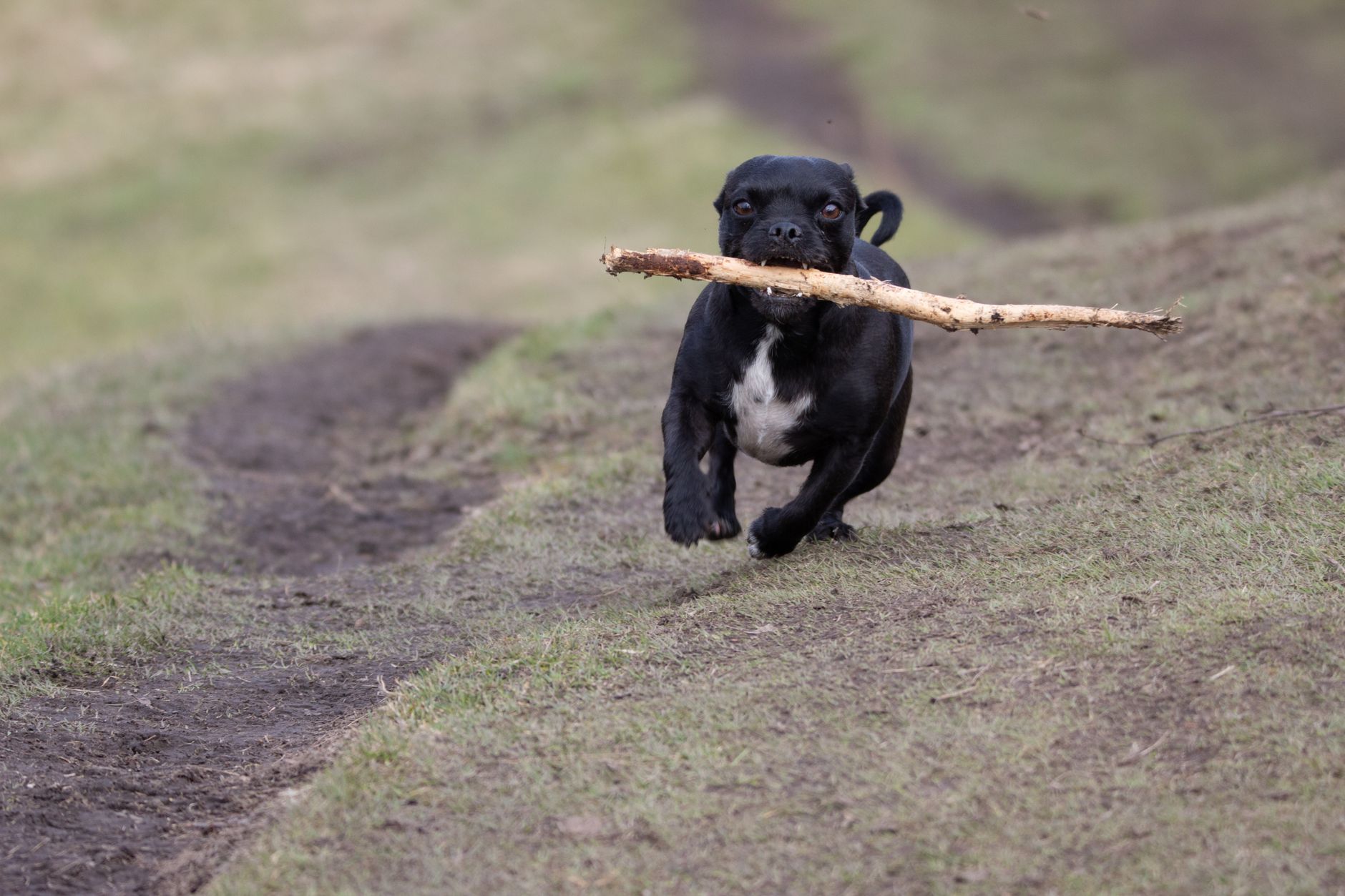
Most holiday escapes happen at the front door while guests arrive and arms are full. Act within the first hour. Dogs travel far and should be called, never chased. Cats almost always hide silently within a few properties of home. A current licence, a visible tag, and up to date microchip details are what bring them back.
Why December is the month for this
Nothing about your pet changes in December. Your front door changes completely.
Through most of the year that door opens briefly, for one person, who is paying attention. Then the holidays arrive and it is propped open while groceries come in. It is held wide while four people hug in the entryway. It is answered a dozen times a week by somebody who does not live there and does not know the dog bolts. Parcels arrive daily. Someone goes out to the car for the gifts and leaves it on the latch because they are coming right back.
Add the rest of it. Furniture moved for the tree. Strangers in the house. Noise and a pile of coats where the cat normally sits. And at the end of it, New Year’s Eve, when fireworks and firecrackers set dogs running. Worth knowing that the sale, purchase, possession and discharge of consumer fireworks and firecrackers is prohibited in Chilliwack at all times, with serious penalties, but illegal use and permitted display events still happen, and one bang at the wrong moment is all it takes.
So the pets who go missing in December are rarely escape artists. They are ordinary pets who met an unlocked door at the exact moment nobody was looking.
The three things to do before anything happens
These take an afternoon and they are the difference between a scare and a loss.
Get the microchip details current. This is the one almost everybody gets wrong. The chip is permanent, but it is only a number. It works solely because that number is attached to a phone number in a registry, and if you have moved or changed carriers since the chip went in, the number in the registry is somebody else’s now. A chip registered to a phone you no longer own is a chip that cannot reach you. Phone the registry, confirm what they have, and update it. While you are at it: a chip is not a GPS tracker. It does not tell you where your pet is. It tells whoever finds them who you are.
Put a visible tag on the collar. A microchip needs a scanner, which means a clinic or a shelter and a delay of hours or days. A tag needs a neighbour and a cell phone, and it is the only identification that works before your pet reaches a clinic or a shelter. It is not a substitute for searching, though. In the ASPCA’s lost-pet survey about half of recovered dogs were found by their owner searching the neighbourhood, while tags and microchips together accounted for far fewer. Put the tag on, then go out and look.
Licence the dog. In Chilliwack, every dog four months or older must have a current licence, and the fine for an unlicensed dog is $200. Licensing is handled by the Fraser Valley Regional District, and the practical benefit on a day like this is direct: the tag number is traceable straight back to you, and a licensed dog wearing its tag can get a ride home instead of a trip to the pound. A spayed or neutered dog costs $28 a year. It is the cheapest insurance in this article.
Also take a clear, current, well-lit photo of each pet from the side and from the front, and keep it on your phone. In the moment, nobody can find a usable picture, and “brown dog, medium size” does not help anyone.
Stopping the door dash in the first place
You do not need to train a new skill in December. You need to make the door boring and difficult.
- Build an airlock. A baby gate across the hallway, or simply shutting the interior door, means the front door and your pet are never open to each other at the same time. This is the single most effective change.
- Give the dog a job away from the door. When the bell goes, send them to a bed or crate in another room with something to chew. A dog who has somewhere to be is not a dog at the door.
- Put the cat somewhere safe before guests arrive, not after. A quiet back room with the litter box, water, a hiding spot and a note on the door. Doing this before the doorbell rings takes two minutes. Doing it after means finding a cat who is already hiding under the deck.
- Tell people at the door. Say it out loud as you open it: the dog bolts, come in quickly, shut it behind you. Guests cannot be expected to guess.
- Leave a note for delivery drivers asking them not to open the gate, and check the side gate latch after anyone has used it.
- Keep the collar and tag on indoors during December. Pets escape without them precisely because they were only worn on walks.
- For New Year’s Eve, bring everyone inside well before dark, close the curtains, put something noisy on, and do not open the front door that evening with the dog loose in the hallway.
The first hour: a dog is missing
Move immediately. Dogs cover ground fast and a dog who has been gone an hour can be kilometres away. One caveat on volume: if your dog bolted in a panic, from fireworks or a slammed door, keep it quiet and keep it short, because a frightened dog in flight mode can run from a voice it knows. If calling is not working, stop calling, stay visible and low, and let food and patience do it instead.
Go out on foot first, calling in the happiest voice you can manage. This matters more than it sounds. A worried, sharp, shouting voice tells a dog they are in trouble and makes them keep going. Call them the way you call them for dinner.
When you do see your dog, do not run at them, and do not chase. Chasing turns this into a game or a panic and you will lose. Stop. Crouch or sit down sideways on, look away rather than straight at them, and wait. Rattle a food container, offer a high-value snack, or open the car door, which for many dogs is an irresistible invitation. Let them come to you. Then take hold of the collar before you celebrate.
Get help going at the same time:
- Phone the Fraser Valley Regional District’s Community Animal Response and Education (CARE) Centre, which impounds lost and stray dogs for Chilliwack, at 1-844-495-2273, and report your dog as missing so a match is waiting when they are picked up. Check the hours before you rely on it: the CARE Centre and FVRD Animal Control are open Monday to Saturday, 8:30 AM to 5:00 PM, and are closed Sundays and statutory holidays. If your dog goes missing on a holiday, an evening or a Sunday, leave a message, put your effort into the street search and your neighbours, and phone again the next business morning.
- Post on the local lost-and-found pet groups for Chilliwack and Sardis with your photo, the exact street, and the time they went out.
- Knock on doors along your street and ask people to check sheds, garages and back yards, since a dog can be shut in by accident easily.
- Call us, and call the other clinics nearby. An injured dog found on the road is brought to a veterinary hospital, not to a shelter, and we can match them to your call.
The first hour: a cat is missing
This is a completely different search, and running it like a dog search is why cats stay missing.
An indoor cat who gets outside does not run away. They are overwhelmed, and they hide, and they hide close. Typically within a few properties of your door, often in the first garden they reach, and they stay there silently for days. They will not come when called, even by you, because fear overrides everything.
So search quietly, slowly, and low to the ground. Take a flashlight, even in daylight, and look under the deck, under the shed, in the crawl space, behind the woodpile, inside dense cedar hedging, under parked cars, in the neighbour’s recycling bin enclosure. Shine it at eye level near the ground, because you are looking for reflected eyes. Go out at dawn and at dusk when it is quiet and they are most likely to move.
Ask your neighbours for permission to look under their decks and in their garages and sheds. This feels awkward and it is where most cats are found.
Then put their own bedding, or a worn item of your clothing, just outside the door with a small amount of strong-smelling food. Skip the litter box, even though you will see it recommended everywhere. The recovery specialists at the Missing Animal Response Network call it a myth, and the scent can draw territorial neighbourhood cats into the same yard your cat is hiding in and stop them coming home. What brings a displaced cat back is a slow, quiet search of your own and your neighbours’ property, not a lure.
Note that the CARE Centre does not take cats, and the FVRD’s animal control bylaw does not cover them. For a missing cat, file the BC SPCA’s online lost-pet report and contact the BC SPCA’s Chilliwack branch, which is where stray cats in this area are taken in; check their hours first, because the branch is closed on statutory holidays. The provincial BC SPCA Animal Helpline, 1-855-622-7722, is for animals in distress rather than lost-pet reports. Keep checking the local community pages too, repeatedly rather than once.
When they come home, bring them in
A pet who has been out for even a few hours should be looked over, and most owners skip this because the relief is so enormous.
What we check for is the things that do not show: a vehicle impact can leave no outward mark and serious internal injury, puncture wounds from another animal close over and abscess days later, pads get cut on ice and road grit, and a pet out in December gets cold in ways that matter. Anything they drank or scavenged while out is worth mentioning too, because antifreeze and compost are genuine winter hazards. That is what our urgent care is set up for, and our urgent care page explains how same-day visits work.
If there is any question of an impact or something swallowed, imaging and bloodwork answer it quickly, and our pet diagnostics run in house. Our pet diagnostics page covers what that includes. For the compost and windfall side of things, our guide to harvest season hazards for Chilliwack dogs goes through what gets eaten around here and why it matters.
A microchip check and a collar and tag review belong on that visit too. Our wellness program is the natural place to check the chip and confirm your registry details are current in one appointment, and our medical services cover anything the examination turns up. The licence itself comes from the Fraser Valley Regional District rather than from us, so buy or renew that online, by mail, or in person at their office.
Our hours, and what to do outside them
We are open Monday to Friday from 8:00 AM to 9:00 PM, Saturday and Sunday from 9:00 AM to 6:00 PM, and on statutory holidays from 9:00 AM to 6:00 PM. Please note that our hours can shift depending on doctor availability, so call before you travel.
Pets go missing at night and come home at night. If your pet returns injured, is bleeding, is struggling to breathe, cannot stand, has an obviously broken limb, or you have reason to think they were hit by a vehicle or ate something toxic, and we are closed, go directly to an open emergency veterinary hospital and call them on the way. Do not wait until morning for any of those.
Common questions
My dog is microchipped. Is a collar tag really necessary?
Yes, and it is arguably the more useful of the two in the first hours. A chip has to be scanned, which means your pet has already reached a clinic or a shelter. A tag lets a neighbour phone you from the sidewalk. Use both.
How long should I keep looking for a missing cat?
Much longer than feels reasonable. Cats are found weeks later, still hiding within a block or two of home, because they never left. Keep checking the same hiding places at dawn and dusk and keep the posts active. Giving up at day three is the most common mistake.
Should I leave food out for a missing cat?
Yes, near your own door, along with their bedding, but not the litter box. Put out only a small amount at a time so you are not feeding every raccoon in Sardis, and check it morning and evening.
What if somebody else’s pet turns up at my door?
Check for a tag first and phone the number. If there is no tag, they can be brought to us or to any clinic to be scanned for a microchip, which takes only a few seconds. Call ahead and we will tell you how to come in with a found pet. For a loose dog with no identification, the CARE Centre is the right call at 1-844-495-2273, bearing in mind it is open Monday to Saturday, 8:30 AM to 5:00 PM, and closed on statutory holidays. Please do not simply put a found dog back out on the street.
Does my indoor cat need a licence in Chilliwack?
Licensing applies to dogs here, not cats. Your cat still needs a microchip with current details and, if they wear a collar, a tag with your phone number on it. A quick-release collar is the safer choice for a cat.
My dog ran off during fireworks and came back fine. Anything to do?
Have them looked over, because the injuries from a panicked run are often invisible at first. And plan for next year now. Firework fear often worsens if it is left alone, but the research shows it is not a one-way road and can be headed off. It is far easier to work on in advance than on the night.
Speak to the team at Family Pet Hospital
If your pet has come home after being out, or you would like their microchip details checked and a tag sorted before the holidays, call us. Our hours can change with doctor availability, so phone ahead. If your pet comes back injured and we are closed, go straight to an open emergency veterinary hospital and call them on your way.
Published by the team at Family Pet Hospital.
This article is educational in nature and is not a replacement for hands-on assessment of your own pet by a veterinarian.
Family Pet Hospital
Unit 3, 7319 Vedder Road, Chilliwack, BC V2R 4E4
Phone: (604) 824-0005
Email: info@familypethospital.info
Hours: Monday to Friday 8:00 AM to 9:00 PM; Saturday and Sunday 9:00 AM to 6:00 PM; statutory holidays 9:00 AM to 6:00 PM; hours subject to change depending on doctor availability